Rug Pull, Understanding Crypto Scams and Solana Meme Coin Risks
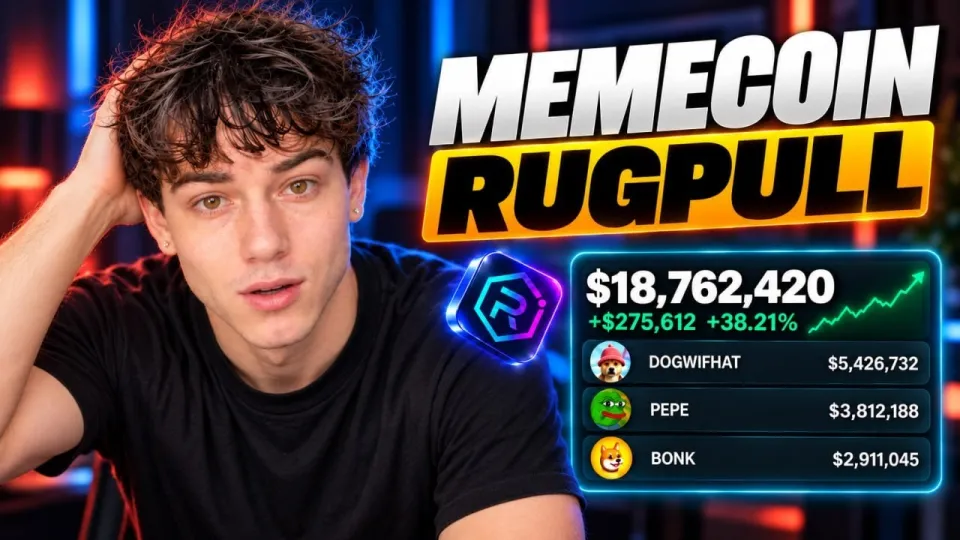
Video: Rug Pull Tutorial | Rug Pull and Creating a Solana Meme Coin
Key takeaways
- Rug pulls are crypto scams where developers withdraw liquidity, crashing token value.
- Solana meme coins can be created and launched via platforms like pump.fun and Raydium.
- Key rug pull signs include locked liquidity absence and suspicious token authority control.
- Liquidity manipulation and token price pumps often precede rug pulls in meme coin launches.
- Security checks and understanding token supply and authorities help investors avoid losses.
A rug pull is a type of crypto scam where the developers or creators of a token suddenly withdraw all liquidity from the market, causing the token price to collapse and investors to lose their money. This scam is especially common in the meme coin space on blockchains like Solana, where tokens can be created and launched quickly through platforms such as pump.fun and Raydium.
What Is a Rug Pull and How It Happens
A rug pull occurs when the token creators control the liquidity pool and decide to remove it abruptly. Liquidity pools are where buyers and sellers exchange tokens, and pulling liquidity means there are no funds left for trading, effectively crashing the token’s price to near zero. Typically, rug pulls involve:
- Creating a new token with a fixed or mintable supply.
- Adding liquidity to decentralized exchanges (DEXs) like Raydium.
- Promoting the token to attract buyers.
- Removing liquidity or manipulating token authorities to mint unlimited tokens or freeze others.
This manipulative process leaves investors unable to sell their tokens, resulting in huge losses.
Creating and Launching a Solana Meme Coin
On Solana, meme coins are often created as SPL tokens using simple tools such as specmint.cc, which allow no-code token creation. The launch process generally involves:
- Setting up token supply and authorities (mint and freeze).
- Deploying liquidity on platforms like pump.fun, a Solana launchpad, and Raydium, a popular AMM DEX.
- Using bonding curves on pump.fun to allow gradual token sales.
- Linking liquidity pools on Raydium to facilitate trading.
This ease of creation enables quick launches but also increases risks for investors unfamiliar with token mechanics and security.
Recognizing Rug Pull Patterns and Red Flags
Investors should be cautious of several warning signs indicating a potential rug pull:
- Liquidity is not locked or locked for a very short period.
- Token authority keys (mint or freeze) remain with the developer.
- Large token supply concentrated in few wallets.
- Rapid, unexplained increases in token price or volume.
- The token is launched on lesser-known launchpads without transparency.
Checking these factors through on-chain analysis tools can help detect suspicious projects early.
How Liquidity and Token Prices Are Manipulated
Rug pull developers often manipulate token prices by pumping liquidity temporarily or minting new tokens to create artificial demand. Techniques include:
- Pooling liquidity and then withdrawing it entirely.
- Using bonding curves to sell tokens at increasing prices and then dumping.
- Freezing sell transactions for holders while developers sell.
- Transferring liquidity ownership to unknown wallets after launch.
Understanding these tactics helps investors avoid falling victim to sudden price crashes.
Essential Security Checks Before Buying a New Token
Before investing in a new meme coin or any token, perform these checks:
- Verify if liquidity is locked and for how long.
- Confirm if mint and freeze authorities have been revoked or renounced.
- Analyze token holder distribution to avoid whales controlling the market.
- Use trusted tools and launchpads with transparent histories.
- Research the project team and community credibility.
These steps significantly reduce the risk of losses from rug pulls.
Useful Links
- Create your meme coin easily at specmint.cc
Conclusion
Rug pulls remain a serious threat in the crypto space, especially with the rise of Solana meme coins launched through platforms like pump.fun and Raydium. By understanding how rug pulls operate—from liquidity manipulation to token authority control—developers and investors can spot red flags and protect their assets. Always conduct thorough security checks and due diligence before participating in new token launches. This article is based on insights from the MC STUDIO channel, which provides comprehensive tutorials on Solana development and crypto security. For hands-on creation of meme coins, visit specmint.cc and apply best practices to avoid scams.
Source: Rug Pull Tutorial | Rug Pull and Creating a Solana Meme Coin · Markdown version
Questions & answers
What is a rug pull in cryptocurrency?
A rug pull is a scam where token creators withdraw liquidity from the market, causing the token price to crash and leaving investors with worthless tokens.
How can I identify a potential rug pull in a Solana meme coin?
Look for unlocked or easily withdrawable liquidity, control of mint or freeze authorities by developers, uneven token holder distribution, and sudden price spikes with no clear reason.
What platforms are commonly used to launch Solana meme tokens?
Solana meme coins are often launched using platforms like pump.fun for bonding curve sales and Raydium for liquidity pools and decentralized trading.
What security checks should I perform before buying a new token?
Verify liquidity lock status, confirm that mint and freeze authorities are renounced, analyze token holder distribution, and research the project team and launch platform transparency.